Toilet Keeps Clogging With Toilet Paper: Why It Happens and What Fixes It
If your toilet keeps clogging with toilet paper, you’re not being “too sensitive” or doing something wrong. This is one of the most common reasons homeowners call us for residential plumbing in Penrith—because it’s annoying, messy, and it always seems to happen at the worst time (right before work, when guests are over, or late at night).
Here’s the tricky part: toilet paper is designed to break down in water. So when it keeps blocking your toilet, it usually means the toilet or drain system is already struggling. The paper is just the thing that shows the problem.
In this pillar guide, we’ll walk you through the real causes, what you can safely try at home, and how a licensed plumber in Australia actually fixes repeat toilet clogs—using proper diagnostic tools like CCTV drain inspections, professional clearing methods like high-pressure water jetting, and long-term solutions like tree root removal or targeted drain repairs.
Quick answer: Why does my toilet clog with toilet paper?
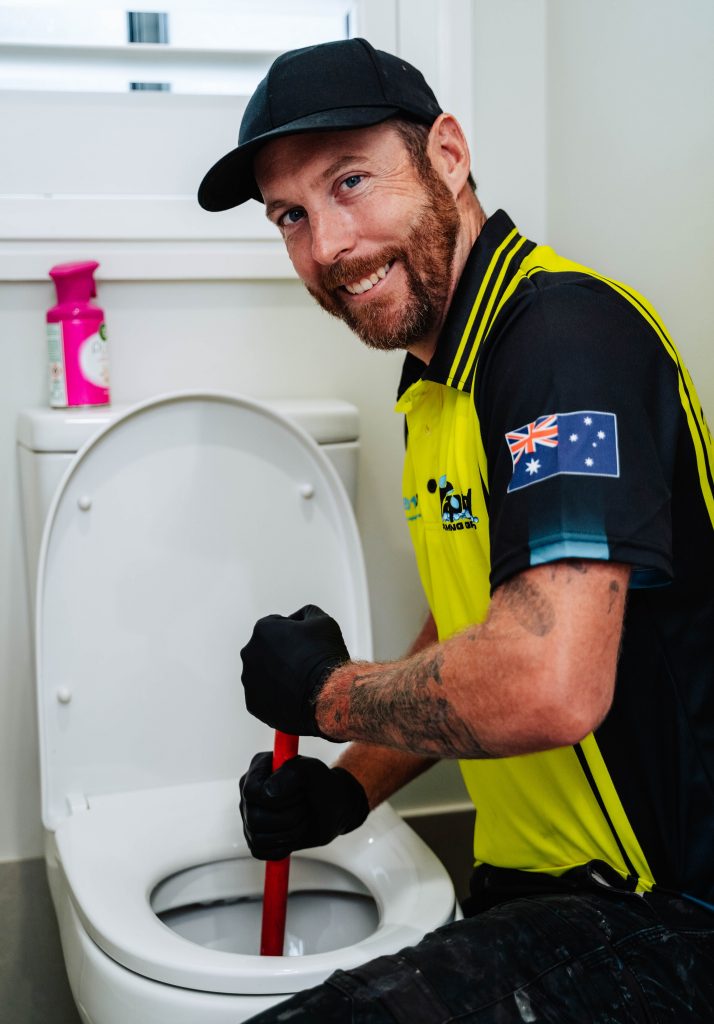
A toilet that clogs with toilet paper is usually dealing with one (or a mix) of these issues:
- Weak flushing power (water isn’t moving paper fast enough)
- A partial blockage in the drain line (paper catches and piles up)
- Drain pipe problems (poor slope, narrow sections, cracked joints)
- Tree roots inside the sewer (paper gets snagged like a net)
- Toilet paper type + usage (thicker paper + lots at once can overwhelm a slow system)
In other words, most “toilet paper clogs” aren’t because toilet paper is bad—it’s because your plumbing is giving you early warning signs.
This is why our approach in residential plumbing in Penrith isn’t just clearing the clog. We focus on finding the reason it keeps happening—so you’re not stuck plunging every week.
How a toilet is supposed to work (simple version)
Your toilet works because of flow, force, and air.
1) Flow: water creates movement
When you flush, water from the cistern rushes into the bowl. That water pushes waste and paper through the toilet’s built-in S-shaped bend (called the trap).
2) Force: enough water power carries everything away
If the flush is strong enough, paper doesn’t sit in the bend. It moves into the drain line and continues to the sewer connection.
3) Air: venting helps drains keep moving smoothly
Your plumbing system also needs airflow through vent pipes to prevent suction and slow draining. Without proper venting, water movement becomes sluggish and paper can hang around longer than it should.
When any of those parts is weak, toilet paper becomes the “test” that your system fails. And when it fails repeatedly, the right fix often involves more than a plunger—like a general plumbing inspection, drain diagnostics, and professional drain clearing.
9 common reasons your toilet keeps clogging with toilet paper (and what fixes each one)
1) Weak flush (not enough water power)
A weak flush is one of the most overlooked causes. If your toilet isn’t pushing a strong rush of water, paper doesn’t travel far enough down the line. It can sit just past the toilet trap, then the next flush adds more paper to the same spot until it blocks completely.
Signs you have a weak flush:
- Toilet paper swirls but doesn’t disappear quickly
- You need to flush twice often
- The flush sounds short or “lazy”
- The bowl water level looks lower than it used to
Common causes of weak flush:
- Cistern not filling fully (faulty inlet valve)
- Flush valve or flapper seal is worn
- The stop tap is partly closed
- Internal parts are old or poorly adjusted
How Local Penrith Plumber fixes it (real service connection):
- General plumbing repairs: replace worn cistern components, adjust water levels
- Inspection and testing: we test flush strength and refill speed
- If needed, we can recommend a more efficient toilet setup based on your household use
A properly working flush makes a huge difference—and fixing the internal parts is often quicker (and cheaper) than people expect.
2) Toilet jets clogged with mineral buildup
Under the toilet rim are small holes (jets) that push water into the bowl during a flush. If these jets get blocked by mineral deposits, the flush becomes uneven and weak—even if the cistern is full.
Clues:
- Flush is stronger on one side than the other
- Water trickles instead of rushing
- Paper breaks up but doesn’t move away
What you can try:
- Toilet-safe descaler (follow instructions)
- Gentle cleaning around the rim openings
How we handle it:
- We can inspect for buildup and restore proper flow safely during a general plumbing service visit
- If the toilet is older and parts are worn, we can help you avoid repeat issues with a repair or replacement recommendation (without upselling—just practical advice)
3) Thick toilet paper or using too much at once
Some “luxury” or extra-thick toilet paper breaks down slower. If your drains are already slow, thick paper can cause frequent clogs.
This is also common in busy family homes where kids use a lot of paper quickly.
What to do:
- Switch to a standard, septic-safe toilet paper for 2–3 weeks
- Teach kids to use less paper (or flush halfway through if needed)
But here’s the key:
If changing toilet paper helps only a little, that’s a strong sign of a partial blockage or drain problem that needs professional attention—like drain cleaning or inspection.
4) Partial blockage further down the drain line
This is one of the biggest causes of repeat toilet clogs. A partial blockage acts like a speed bump. Paper catches on it, builds up slowly, and then suddenly your toilet blocks again.
What causes partial blockages:
- “Flushable” wipes (they don’t break down like paper)
- Too much paper over time
- Hidden foreign objects
- Build-up inside older pipes
Signs it’s not just the toilet:
- Gurgling sounds
- Toilet bubbles
- Water drains slowly in nearby fixtures
- Bad smells from drains
How Local Penrith Plumber fixes it:
- CCTV drain inspection to locate the blockage and identify the cause
- Blocked drain clearing using professional tools
- High-pressure water jetting to clear stubborn build-up properly (not just poke a hole through it)
Water jetting is especially useful because it cleans the pipe walls, helping prevent the blockage from returning quickly.
5) Tree roots in the sewer line (very common in older areas)
Tree roots are a major reason toilets keep clogging in established suburbs. Roots enter sewer pipes through tiny cracks or joints. Once inside, they catch toilet paper like a net.
Signs roots may be the cause:
- Clogs return no matter what you do
- Drain issues worsen over time
- Problems get worse after rain
- You have large trees near the property line
How we fix tree root problems:
- CCTV drain camera inspection to confirm roots and pipe condition
- Tree root removal using cutting tools and high-pressure water jetting
- If the pipe is damaged, we recommend the right repair option—often targeted repairs rather than full replacement
Catching root issues early can save you from major sewer backups later.
6) A blockage inside the toilet trap (S-bend)
Sometimes the clog is not in your drain line—it’s in the toilet itself. Toys, hygiene items, or built-up debris can lodge inside the trap and keep catching paper.
Clues:
- Only this toilet clogs (others are fine)
- Plunging helps briefly, then it clogs again quickly
- You suspect something was flushed accidentally (especially with kids)
How we fix it:
- We can remove and inspect the toilet safely as part of our general plumbing repairs
- Clear the obstruction properly without damaging seals or cracking the toilet base
- Reinstall and test the flush and drainage
7) Poor drain fall or a “belly” in the pipe
Drain pipes need the correct slope so waste flows away. If the pipe sags underground, waste and paper collect in the low spot and block repeatedly.
Symptoms:
- Clogs keep returning even after clearing
- Drainage feels inconsistent (sometimes fine, sometimes not)
- CCTV shows pooling water in the pipe
What’s the fix?
- We identify the exact low point with CCTV inspection
- Then recommend targeted drain repairs to restore proper slope
- In some cases, pipe relining may be possible depending on pipe condition
8) Venting problems (airflow issues)
Venting allows air to move through your drain system. If vents are blocked or poorly designed, toilets can struggle to flush smoothly and may gurgle or bubble.
Signs:
- Gurgling noises
- Toilet bubbles when other fixtures run
- Slow draining without a clear clog
How we handle it:
- We assess the drainage system as part of a residential plumbing inspection
- Identify airflow-related issues
- Recommend the safest fix based on your setup (this can range from minor adjustments to more involved venting work)
9) Older plumbing, narrow pipes, or pipe damage
Older homes may have pipes that are more prone to catching paper due to rough internal surfaces, older joint styles, or small pipe sections.
Signs:
- Repeat clogs in the same toilet for months
- Slow drainage keeps returning
- Multiple “small fixes” haven’t worked long-term
How Local Penrith Plumber helps:
- CCTV inspections to confirm pipe condition
- Drain cleaning + water jetting as preventative maintenance
- Targeted pipe repairs if damage is found (instead of guessing)
This is where professional diagnostics saves money—because we solve the actual problem, not the symptom.
What you can safely do at home (and what to avoid)
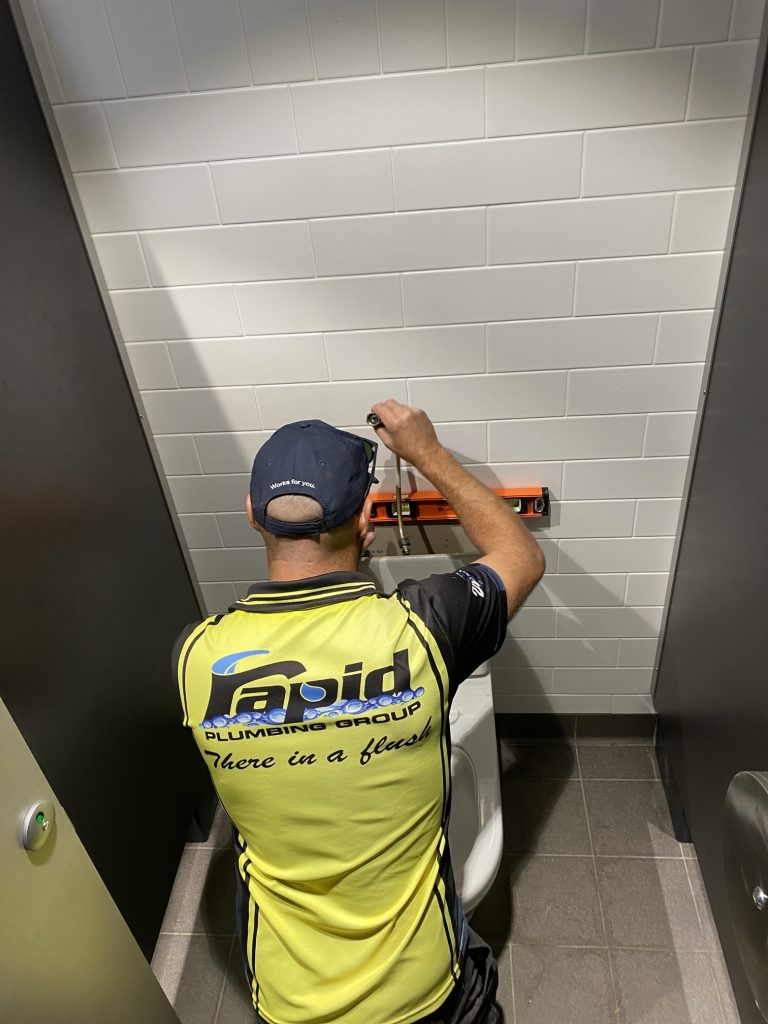
Safe DIY steps you can try
1) Use a proper toilet plunger
A flange plunger seals better than a flat one. Do 10–15 steady plunges.
2) Dish soap + hot water
Dish soap can help loosen paper and waste.
- Add dish soap
- Pour hot (not boiling) water
- Wait 10–15 minutes, then flush
3) Use a toilet auger
A toilet auger can break up clogs in the trap without damaging the toilet (when used carefully).
What NOT to do
Avoid:
- Chemical drain cleaners (unsafe for pipes and toilets)
- Boiling water (can crack porcelain)
- Forcing objects down the drain (can worsen blockages)
If the toilet is close to overflowing, stop flushing and call a plumber.
When it’s an emergency (don’t wait)
Call a 24/7 plumber if:
- Toilet is overflowing
- Wastewater backs up into the shower or floor waste
- Multiple drains are blocked
- Sewer smells are strong indoors
These are signs of a main drain issue—not just toilet paper.
Local Penrith Plumber provides 24/7 emergency plumbing because sewer blockages can become a serious hygiene and property-damage issue fast.
How plumbers fix repeat toilet clogs (the professional process)
Step 1: Inspection and testing
We check:
- Cistern parts and flush strength
- Bowl water level and drainage speed
- Signs of a wider drain issue
Step 2: CCTV drain inspection
This helps us confirm:
- Exact blockage location
- Roots, cracks, misaligned joints
- Sagging sections holding water
Step 3: High-pressure water jetting
If buildup or roots are involved, jetting clears the line properly and cleans pipe walls.
Step 4: Repairs or long-term prevention
Based on findings:
- Root removal schedules (if trees are the issue)
- Drain repairs or relining recommendations (if pipes are damaged)
- Preventative maintenance to stop future blockages
How to prevent toilet clogs long-term (simple habits that work)
- Avoid flushing wipes, paper towel, hygiene items, cotton buds
- Use a sensible amount of toilet paper per flush
- If your home has trees, book regular drain checks
- Don’t ignore gurgling, slow drains, or bubbling—these are early warning signs
A quick CCTV inspection now can prevent a major sewer backup later.
How Local Penrith Plumber Can Help You
If your toilet keeps clogging with toilet paper, you don’t need to live with constant plunging or guessing what’s wrong. Local Penrith Plumber is here to help with fast, professional solutions for residential plumbing in Penrith.
Call us now on 243125618 for:
- 24/7 emergency plumbing for overflowing toilets and urgent blockages
- Blocked drain clearing for toilets, floor wastes, showers, and main sewer lines
- High-pressure water jetting to remove paper build-up, sludge, and stubborn debris
- CCTV drain camera inspections to find the real cause (roots, cracks, sagging pipes, foreign objects)
- Tree root removal to stop repeat clogs caused by root intrusion
- General plumbing repairs and installations (toilet repairs, replacements, cistern servicing, taps, showers)
- Leak detection (water, shower, pool, and gas) if plumbing issues are linked to hidden leaks
- Gas fitting and gas leak detection for appliance installs and safe repairs
- Hot water system services (gas, electric, instant, heat pumps, solar, commercial)
- Water filtration solutions for cleaner water at home
Stop dealing with repeat clogs. Call 243125618 and let Local Penrith Plumber find the cause and fix it properly—so your toilet works the way it should.