Leaking Tap That Won’t Stop Dripping: What Usually Needs Replacing
A tap that won’t stop dripping can feel like “just annoying” at first—until the sound keeps you awake, the cabinet starts smelling damp, or you notice your water usage creeping up. In a lot of Penrith homes, that steady drip is your plumbing system’s way of saying one small part inside the tap has worn out… or that something else (like high pressure or grit in the line) is pushing the tap past its limits.
The good news is most leaking taps are very fixable. In many cases, the repair is simple: a seal is worn, a cartridge is tired, or a seat needs attention. The not-so-good news is that if you replace the wrong part—or only fix the symptom—the drip often returns. That’s why this pillar guide goes deeper than most “DIY drip” articles: you’ll learn what parts usually fail, why they fail, what warning signs to look for, and when a dripping tap is actually linked to bigger plumbing problems like leaks behind walls or pressure issues.
And because this is written for local homeowners and property managers, we’ll also explain how a licensed plumber handles this properly as part of residential plumbing in Penrith—including the related services that often come up in the same visit, like leak detection, water pressure checks, and water filtration solutions.
Why a Tap Keeps Dripping (Even When It’s “Off”)
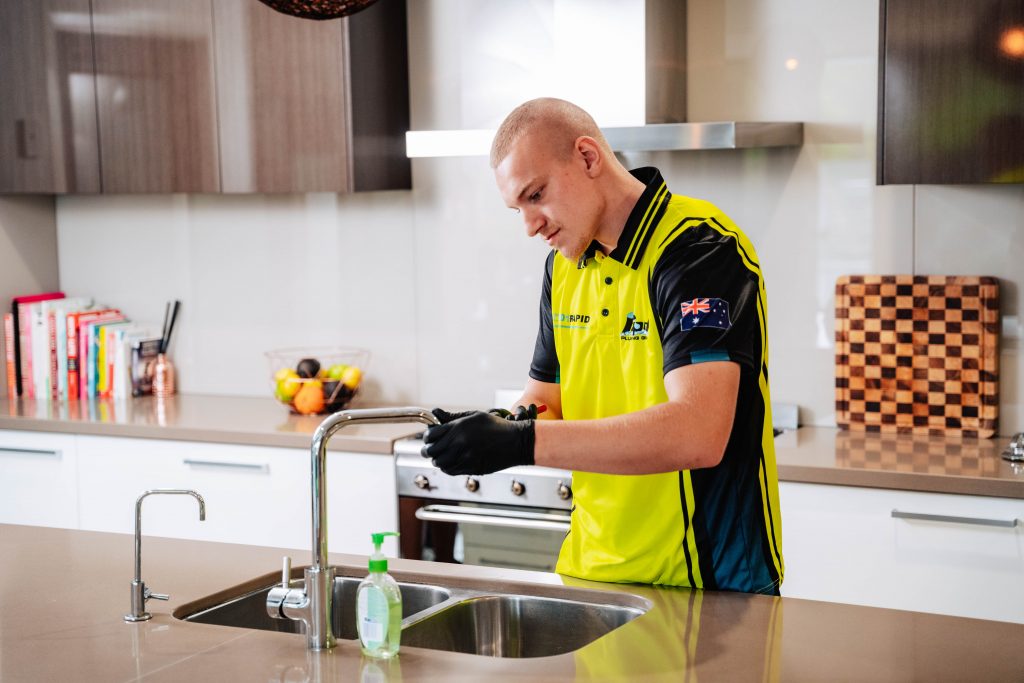
Inside every tap is a shut-off point where water is supposed to be sealed completely. When the seal is perfect, the tap stops cleanly. When the seal is damaged—even slightly—water sneaks through and drips out of the spout.
A drip usually happens because:
- Seals wear out with use. Rubber compresses, cracks, or hardens. Cartridges and discs lose their perfect fit over time.
- Grit and sediment scratch surfaces. After plumbing work, water main work, or even just normal wear in older pipes, tiny particles can travel through the line and damage cartridges and ceramic discs.
- High water pressure forces leaks. If your home pressure is higher than it should be, it can push water past seals that would otherwise hold.
- Corrosion or age damages metal surfaces. Older plumbing fittings can corrode, especially at the tap seat where washers press down.
- Loose internal parts don’t seat properly. A slightly loose component can stop the tap from closing tightly.
This is also why a dripping tap is sometimes a “signal” rather than an isolated issue. When we’re called out for a leaking tap, we often also check for related plumbing problems such as:
- Hidden leaks (especially in bathrooms, behind vanities, and in shower walls)
- General plumbing inspections and testing to confirm isolation valves, pressure, and tap performance
- Leak detection (water and shower leaks can mimic a “tap drip” if moisture spreads)
- Water filtration solutions if sediment or mineral build-up is contributing to repeat failures
If you’re seeing frequent drips in multiple fixtures, the tap may not be the only problem—your system may need a bigger check-up.
The Most Common Parts That Need Replacing in a Dripping Tap
Below are the most common parts that fail, what they do, and the real-world signs that help identify the problem.
1) Rubber Washer (Common in Older Twist-Handle Taps)
What it does:
In traditional two-handle taps (separate hot and cold), a rubber washer sits at the bottom of the spindle. When you turn the tap off, that washer presses down against a metal seat to stop water.
Why it fails:
Washers are designed to wear out over time. They can flatten, crack, harden, or split. If someone “cranks” the tap closed too hard, it can also deform the washer and damage the seat, creating a cycle where the washer fails again quickly.
Signs it’s the washer:
- You have separate hot and cold twist handles
- The tap is getting harder to shut off fully
- The drip slows if you tighten further (but it never truly stops)
- The drip is worse at night when the house is quiet—because it’s constant
What usually needs replacing:
- The jumper washer
- Often the O-ring at the same time (to prevent handle leaks)
Related plumbing services we often handle during this repair:
- General plumbing repairs for worn tap components
- Inspections and testing of the tap seat condition and shut-off performance
- Leak detection if water has been dripping into the cabinet for a long time and damage is suspected
If the washer has failed repeatedly, we move straight to checking the seat, because a damaged seat can “eat” washers.
2) O-Rings (Common for Leaks Around the Handle or Spout)
What they do:
O-rings are rubber seals that stop water from escaping where parts rotate or slide—like around the spout base or the handle.
Why they fail:
O-rings dry out, flatten, crack, or shift out of place. If there’s sediment in the line, it can also wear the O-ring faster. In kitchen mixer taps, O-rings around the spout are especially common failure points because the spout swivels and gets used constantly.
Signs it’s the O-ring:
- Water appears around the handle, not just the spout
- You see moisture pooling at the base of the tap
- The leak happens more when the tap is turned on or moved
- The tap handle feels stiff or squeaks
What usually needs replacing:
- One or more O-rings
- Sometimes a spout seal kit (especially for mixers)
Related services we can handle in the same visit:
- Tap repairs and installations (especially if the tap body is worn)
- Water filtration solutions if sediment is a recurring issue
- Inspections and testing to ensure the leak hasn’t damaged surrounding cabinetry
If you’ve got dampness under the sink, we also check supply connections and isolation valves because a “tap leak” can actually be a slow connection leak.
3) Tap Cartridge (Very Common in Mixer and Modern Taps)
What it does:
A cartridge is the heart of most modern taps. In a mixer tap, it controls both water flow and temperature. In quarter-turn styles, it controls shut-off through a ceramic disc mechanism.
Why it fails:
Cartridges wear with everyday use. They can also crack internally, get clogged with grit, or fail faster if your water pressure is too high. Some households experience repeat cartridge failures when sediment comes through the line after plumbing work or older pipe scaling breaks loose.
Signs it’s the cartridge:
- You have a single-lever mixer tap or modern tap design
- The handle feels loose, gritty, or “notchy”
- Temperature control becomes inconsistent
- The drip continues even when you shut it gently and correctly
What usually needs replacing:
- The correct cartridge for your tap brand/model
Related plumbing services we often provide with cartridge issues:
- General plumbing inspections and testing to identify pressure or sediment contributors
- Leak detection if the tap has been dripping into the cabinet for a while
- Water filtration solutions to reduce grit and extend cartridge life
Cartridge matching matters. “Universal” parts rarely fit perfectly, which is why many DIY attempts still drip after installation.
4) Ceramic Disc (Common in Quarter-Turn Taps)
What it does:
Ceramic discs seal water by sliding smoothly against each other. When the discs are flawless, they create an excellent seal, which is why quarter-turn taps feel so smooth.
Why it fails:
The biggest enemy is grit. Tiny particles can scratch the ceramic surface, creating micro-gaps that allow water to pass through. Once scratched, the discs generally need replacement (not polishing or “tightening”).
Signs it’s ceramic discs:
- The tap is quarter-turn (90-degree movement)
- Dripping starts slowly and gets worse over time
- You recently had plumbing work done, renovations, or water supply work nearby
- You notice sediment in aerators or unusual spray patterns
What usually needs replacing:
- The ceramic disc cartridge unit (often a single component)
Related services that connect to this issue:
- Drain and sewer camera inspections (if sediment is linked to old pipe issues or renovations)
- Inspections and testing of water lines and internal debris
- Water filtration solutions to protect fittings and appliances
Even though camera inspections are often associated with drains, we use inspection and diagnostic approaches across plumbing systems—especially when repeat failures suggest there’s debris in your pipes.
5) Tap Seat (The Overlooked Cause of Repeat Drips)
What it does:
The seat is the metal surface inside the tap body that the washer presses against.
Why it fails:
Over time, the seat can become pitted or rough from corrosion and wear. When that happens, a washer can’t seal properly—even if it’s new. This is one of the most common reasons a “quick washer fix” doesn’t last.
Signs it’s the tap seat:
- You replaced the washer, but it still drips
- The drip returns within days or weeks
- You need to force the tap off harder than normal
- The tap is older and internal parts show corrosion
What usually needs repairing or replacing:
- Re-seating (refacing) the seat, if possible
- If the tap body is too worn, tap replacement may be recommended
Related services that often come up here:
- General plumbing repairs and installations
- Inspections and testing (to ensure shut-off works correctly)
- Leak detection if the cabinet, vanity, or benchtop has been exposed to moisture
If the seat is damaged and the tap is old, replacement can actually save money in the long run.
6) Spindle / Valve Assembly (When the Tap Feels Wobbly or Won’t Close)
What it does:
The spindle connects the handle to the shut-off mechanism. It helps press the washer against the seat (older taps) or actuates internal seals.
Why it fails:
Spindles can strip, wear down, or corrode. When the spindle is compromised, even good seals may not align properly.
Signs it’s the spindle/valve:
- The handle feels loose or wobbly
- The tap won’t shut off even after replacing a washer
- Turning the handle feels like it “slips”
- The tap makes grinding noises when turning
What usually needs replacing:
- The spindle assembly (and seals)
- Often the handle adapter if stripped
Related services we can handle at the same time:
- General plumbing repairs across taps, toilets, and showers
- Inspections and testing to ensure other fixtures aren’t showing early wear
- 24/7 emergency plumbing if the tap won’t shut off at all
A spindle issue can escalate quickly if it prevents shut-off.
7) Aerator / Spout Tip (Not Usually the Cause, But a Clue)
What it does:
The aerator softens the water stream and reduces splashing.
Why it matters:
A blocked aerator usually causes poor flow, not a drip. But it can be a clue that sediment is moving through your plumbing system—possibly damaging cartridges and discs.
Signs it needs attention:
- Water sprays in odd directions
- Flow is weak even when taps are fully open
- White scale or grit is visible
What usually needs replacing/cleaning:
- Clean or replace the aerator
- Check and flush the line if sediment is present
Related services that make sense here:
- Water filtration solutions
- General plumbing inspections and testing
If you’re seeing grit in more than one tap, a filtration upgrade can protect your plumbing and appliances.
What Type of Tap Do You Have? Quick Identification Guide
Correct identification saves time and prevents repeat repairs.
Separate Hot and Cold Twist Handles (Traditional)
Most likely replacements:
- Rubber washer
- O-rings
- Possible tap seat work
- Possible spindle replacement
These are common in older homes and rentals.
Quarter-Turn Taps (90 Degrees)
Most likely replacements:
- Ceramic disc cartridge
- O-rings
These are popular because they feel smooth and modern, but they’re sensitive to grit.
Single-Lever Mixer Tap (Kitchen/Bathroom)
Most likely replacements:
- Mixer cartridge
- Spout O-rings/seals
- Sometimes aerator cleaning and sediment control
Kitchen mixers are heavy-use taps, so internal parts wear faster.
Why Replacing the Wrong Part Keeps the Drip Coming Back
A tap that drips again after a repair usually means one of these is happening:
- The tap seat is damaged, so washers can’t seal
- The cartridge doesn’t match the exact model (very common with mixers)
- Sediment is still in the line, scratching new parts
- Water pressure is too high, forcing water past seals
- Corrosion is widespread, and the tap body itself is deteriorating
This is where professional residential plumbing in Penrith makes a real difference. A proper repair includes not only swapping parts, but also:
- Testing shut-off performance
- Checking for hidden leaks under sinks or behind vanities
- Investigating recurring issues with leak detection
- Suggesting water filtration solutions if debris keeps damaging fittings
Is a Dripping Tap an Emergency?
Most dripping taps aren’t emergencies—but some become urgent fast, especially if the tap won’t shut off or the leak is spreading into cupboards and walls.
Call for urgent help if:
- Drip becomes a constant stream
- Water is leaking into cabinets, walls, or ceilings
- The tap won’t shut off
- There’s mould smell, swelling wood, or water stains
- The leak is near electrical outlets or appliances
In these cases, our 24/7 emergency plumbing service is the right move—because water damage can cost far more than a tap repair.
What You Can Safely Do Before Calling a Plumber
You don’t need to dismantle anything to do a few safe checks.
- Work out where the water is coming from
- Only from the spout? Likely washer/cartridge/disc.
- Around handle/base? Likely O-rings or seals.
- Turn off the isolation valves
- Most sinks have small shut-offs underneath. If the valve is stuck or leaking, don’t force it—call a plumber (that becomes a bigger issue quickly).
- Check for cabinet moisture
- If it’s been dripping for a while, you may have water damage. That’s a leak detection moment, not just a tap repair.
- Pay attention to other fixtures
- If other taps are also dripping or noisy, pressure or sediment may be involved, and your plumber can inspect and test the system.
Common Dripping Tap Scenarios in Penrith (And What Usually Needs Replacing)
Kitchen Mixer Tap Dripping
Usually:
- Mixer cartridge replacement
- Spout O-ring/seal kit
- Possible aerator cleaning and sediment checks
Related services we often pair:
- Water filtration solutions (protects the new cartridge)
- General plumbing inspections and testing
Bathroom Basin Tap Dripping
Usually:
- Washer (older) or ceramic disc cartridge (newer)
- O-rings if handle/base leaks
Related services:
- General plumbing repairs and installations
- Leak detection if the vanity interior is damp or damaged
Shower Tap Dripping
Usually:
- Cartridge replacement
- Seal and O-ring replacement
- Leak detection if moisture is suspected behind walls
Related services:
- Leak detection (shower leaks)—very important to avoid wall/ceiling damage
- General plumbing repairs for bathroom fixtures
Laundry or Outdoor Tap Dripping
Usually:
- Washer replacement
- Tap seat repair in older fittings
Related services:
- General plumbing repairs
- If the outdoor tap is feeding irrigation or filtration, we can also advise on water filtration solutions to protect fixtures
How a Plumber Fixes a Dripping Tap (What to Expect)
A proper plumbing repair is more than swapping a washer. Here’s what a professional visit usually includes:
- Identify the tap type and failure point
- Isolate water safely (and assess isolation valve condition)
- Disassemble without damaging finishes
- Inspect internal parts: washers, O-rings, cartridge/discs, spindle, and seat condition
- Replace the correct parts (matched to your tap model)
- Test for shut-off, pressure behaviour, and leaks
- If needed, recommend related services:
- Leak detection (especially for long-term drips into cabinets)
- Water filtration solutions (if sediment is causing repeat failures)
- Additional general plumbing repairs if other fixtures show wear
If the tap body is heavily corroded or parts are discontinued, full replacement can be the most cost-effective option.
Preventing Dripping Taps in the Future
You can reduce repeat drips by tackling the main causes:
- Fix drips early before the seat gets damaged
- Don’t over-tighten handles
- Consider pressure checks if water flow feels too strong
- Use filtration if sediment or scale is common
- Schedule periodic plumbing inspections, especially in older homes
Preventive maintenance is part of smart residential plumbing in Penrith—because it protects not just your taps, but your pipes, hot water system, and appliances too.
FAQs About Dripping Taps in Penrith
What is the most common reason a tap won’t stop dripping?
It’s usually a worn washer in older taps or a failing cartridge/ceramic disc in modern taps.
Can a dripping tap increase my water bill?
Yes. Even a slow drip wastes water every day, and over weeks it can noticeably increase your usage.
Why does my tap keep dripping after I replaced the washer?
A damaged tap seat, high pressure, or incorrect installation can prevent a proper seal even with a new washer.
Is it better to repair the tap or replace it?
Repair is usually best if the tap body is in good shape. If it’s corroded, parts are discontinued, or leaks return often, replacement is often smarter.
How Local Penrith Plumber Can Help You
If your leaking tap won’t stop dripping, you deserve a fix that lasts—not a temporary patch. At Local Penrith Plumber, we repair dripping taps by identifying the real cause (washer, O-rings, cartridge, ceramic discs, spindle, or tap seat), replacing the correct parts, and testing the system so the leak doesn’t come back.
We also handle related plumbing services that often connect to dripping taps and household water issues, including:
- Residential, commercial, and industrial plumbing
- 24/7 emergency plumbing (when a tap won’t shut off or a leak becomes urgent)
- General plumbing repairs and installations (taps, toilets, showers, inspections and testing)
- Leak detection (water, shower, pool, and gas)
- Blocked drain clearing and repairs (water jetting, drain/sewer cleaning, camera inspections, tree root removal)
- Hot water systems: supply, installation, servicing, and repairs (gas, electric, instant, heat pump, solar, and commercial)
- Gas fitting and gas plumbing (appliance installs, repairs, and gas leak detection)
- Water filtration solutions (to reduce sediment and protect fixtures)
For fast, reliable residential plumbing in Penrith, call Local Penrith Plumber on 243125618. We’ll stop the drip properly, protect your home from water damage, and get your tap working like it should.