Hidden Water Leak Signs: How to Spot a Leak Before Your Water Bill Spikes
Hidden water leaks are one of the most expensive “silent” problems in any home. You don’t always see water on the floor. You don’t always hear dripping. But your plumbing system is still working behind walls, under floors, and out in the yard—so when something starts to fail, it can waste water 24/7 without warning.
If you’re noticing a sudden jump in your bill, damp smells, or strange sounds, don’t ignore it. In this expanded pillar guide, I’ll walk you through the most common hidden water leak signs, how to confirm a leak using simple checks, and when it’s time to call a licensed plumber for proper detection and repairs.
This article is written for an Australian audience and built to support local search intent for residential plumbing in Penrith—so if you’re in Penrith or nearby suburbs, the advice applies directly to the types of homes, plumbing setups, and leak issues we see every week.
Why hidden leaks are a big deal in Penrith homes
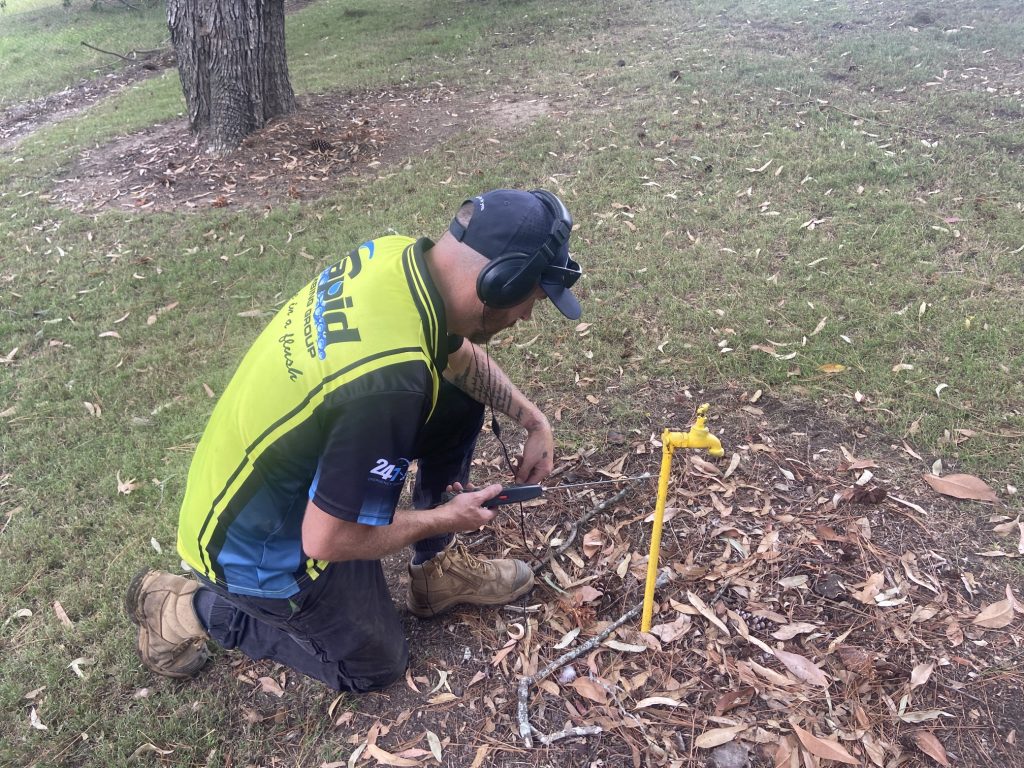
Most homeowners don’t panic until the bill spikes—but by then, a hidden leak may have already caused damage behind surfaces you can’t see. The biggest risk with hidden leaks isn’t only wasted water—it’s what that water does to your home over time.
Here’s what can happen if a leak is left unchecked:
- Bills jump quickly because even a small leak can run non-stop. A slow drip adds up across days and weeks.
- Walls and ceilings soften as plasterboard absorbs moisture. Paint blisters, stains spread, and the structure can weaken.
- Tiles loosen and grout cracks when water sits behind bathroom walls or under floors.
- Cabinets swell and warp under sinks, especially where flexi hoses and tap fittings live.
- Mould and mildew grow in damp, dark spaces—behind vanities, inside wall cavities, and under flooring.
- Drain and sewer issues get worse if leaks are tied to damaged pipes, roots, or blocked drains causing backpressure.
In Penrith homes, we often see hidden leaks linked to:
- ageing pipework and fittings in older properties
- failed flexi hoses under sinks and in laundries
- bathroom waterproofing issues leading to slow seepage
- underground line leaks from the meter to the house
- blocked drains and tree roots stressing pipes
Because Local Penrith Plumber provides both leak detection and supporting services like blocked drain clearing (water jetting + CCTV camera inspections + tree root removal), we can diagnose what’s happening and fix the cause—not just patch the symptom.
The most common places hidden leaks happen
A hidden leak can start in places you use every day—or in pipes you never think about. The key is knowing the “high risk” areas so you can check them before they become expensive.
Inside your home
Bathrooms
- Leaks behind shower walls can come from cracked grout, failed waterproofing, or leaking shower plumbing.
- Toilets can leak internally (cistern to bowl) or externally (pan collar, inlet valve, base seal).
- Tap and shower mixer fittings can seep inside the wall cavity, showing up later as stains or musty smells.
Kitchen & Laundry
- Flexi hoses under sinks, in laundries, and behind dishwashers are common failure points.
- Tap bodies, cartridges, and isolation valves can drip slowly into cabinetry.
- Washing machine hoses can split or loosen—sometimes only when the machine is running.
Hot water system zone
- Relief valves may drip (sometimes normal, sometimes not).
- Tempering valves, fittings, and joints can corrode and seep.
- Hot water tanks can fail at the base or fittings and create hidden water pooling.
Outside your home
Garden taps and outdoor pipework
- Leaks at the tap fitting can run down the wall and disappear into soil.
- Cracked or sun-damaged hoses can leak slowly and go unnoticed.
Underground water service line
- Leaks between the meter and house often show up as soggy ground, greener patches, or meter movement even when everything is off.
Irrigation and pool plumbing
- Irrigation lines often leak underground with no visible spray.
- Pool plumbing leaks can waste water and affect pump performance.
When leaks happen in these areas, our approach often combines:
- leak detection (to locate the problem accurately)
- general plumbing repairs (taps, toilets, showers, fittings)
- pressure testing + inspections to confirm integrity
- CCTV drain inspections where drainage issues are involved
- water jetting + root removal if blockages or tree roots are stressing pipes
Hidden water leak signs most people miss
These are the early warning signs that often appear weeks before your bill spikes.
1) Your water bill rises without a lifestyle change
If your bill jumps but your routine hasn’t changed, don’t assume it’s just “higher rates.” A leak often shows up as a steady rise across billing periods.
This is especially common with:
- running toilets (silent and constant)
- slow leaks under sinks
- small pipe joint seepage under floors
- dripping hot water system valves
If you’ve had blocked drains recently, pay attention: pressure build-up, water backing up, or damaged pipes can cause leaks. We often see this pattern during drain/sewer cleaning jobs, where a hidden break is discovered during a camera inspection.
2) You hear water when everything is off
This is one of the best “human leak detection” clues.
Listen for:
- faint hissing behind a wall
- trickling sounds in a bathroom
- water movement near the hot water system
- dripping in ceiling spaces after hot showers
If you hear these sounds consistently, it can indicate a pressurised line leak. That’s where professional leak detection is valuable—because we can locate the exact point without guesswork.
3) Your water meter keeps moving
Your meter is your proof. If it moves when nothing is being used, you’ve got water escaping somewhere.
This test helps rule out “normal usage” excuses and gives you a clear direction: leak vs no leak. If it’s moving quickly, treat it as urgent—especially if you suspect the leak is underground or in walls.
4) Damp patches, bubbling paint, or peeling walls
Water travels. A leak might be in one spot, but the damp patch could show up somewhere else.
Watch for:
- bubbling paint on walls near bathrooms
- peeling skirting boards
- stains around window frames (sometimes from pipes running nearby)
- swelling plaster that feels soft when pressed (don’t push too hard)
When we respond to these, we often perform:
- visual inspection and moisture checks
- targeted leak detection
- repairs to the leaking line or fitting
- follow-up testing to ensure the system holds properly
5) A musty smell that won’t go away
A musty smell is often the earliest sign of hidden moisture. Mould can start forming before you see visible patches.
Common spots:
- under bathroom vanities
- behind washing machines
- linen closets near wet areas
- inside kitchen cabinets
If the smell is stronger after showers or laundry cycles, the leak may be linked to those water lines—showers, taps, or appliance hoses.
6) Warped floors, loose tiles, or “spongy” spots
If water gets under flooring, it can quietly spread and damage adhesives and timber.
Clues include:
- floorboards that lift or cup
- laminate bubbling
- carpet that feels damp in a specific corner
- tiles that sound hollow when tapped
In bathrooms, loose tiles can also happen when shower leaks persist behind walls. We often handle these by:
- locating the leak (not guessing)
- fixing the plumbing fault
- confirming no ongoing seepage after repair
7) Random drops in water pressure
Pressure drops can be caused by blockages, valve issues, or water supply problems—but leaks are definitely on the list, especially if the pressure change is sudden.
Examples:
- shower pressure drops mid-use
- taps take longer to reach full flow
- pressure varies room to room
If needed, we can test and diagnose:
- whether it’s a leak
- whether it’s a blocked or restricted line
- whether it’s a failing valve or fitting
8) Toilet that “refills” by itself
Toilets waste an incredible amount of water when they leak internally. And many people don’t notice because there’s no puddle on the floor.
Signs:
- toilet runs after flushing
- cistern refills randomly
- water in bowl ripples or looks like it’s moving
- the sound of a faint refill late at night
This is a common call-out for general plumbing repairs and installations. We can replace faulty valves/seals and test the toilet to ensure it stops wasting water.
9) Stains on ceilings (especially below bathrooms)
If you see stains on a ceiling under a bathroom or laundry, don’t wait. Ceiling stains can mean the leak has been happening for a while.
Watch for:
- brown rings
- sagging plaster
- peeling paint on ceiling corners
- dampness after showers
In these cases, we treat it seriously and often combine:
- leak location
- repair of the source (shower pipe, mixer, toilet, or hot water line)
- inspection/testing to ensure the leak is resolved
10) Hot water system area feels damp, rusty, or noisy
Hot water systems can leak slowly from fittings long before the tank fails.
Look for:
- moisture around valves
- corrosion on pipe joints
- wet ground near the relief valve discharge line
- unusual noises (banging or rumbling can indicate other issues too)
We provide hot water system supply, installation, servicing, and repairs for:
- gas
- electric
- instant systems
- heat pumps
- solar hot water
- commercial hot water
Even if the issue isn’t the tank, it could be valves or connections—still part of the hot water system setup.
11) Unexplained wet patches in the yard
If one area stays green or soggy, it may be a leaking pipe. This is common with underground service lines.
Clues:
- muddy spots with no rain
- water pooling near paths
- greener grass in a line pattern
- soft ground near the meter line path
Underground leaks are exactly why professional leak detection matters—you want accurate location before digging.
12) Higher humidity, more condensation, or frequent foggy mirrors
If mirrors fog up more than usual and the room feels damp, it can be hidden moisture—especially if ventilation hasn’t changed.
Humidity can also be normal in bathrooms, but if the damp feeling is constant and paired with musty smells or stains, investigate.
The 10-minute water meter test (easy leak check)
This is the most reliable DIY test a homeowner can do—no tools, no plumbing knowledge.
Step-by-step
- Turn off all water use (taps, showers, appliances).
- Avoid flushing toilets during the test.
- Take a photo of the meter reading.
- Wait 10 minutes.
- Check again.
What the results mean
- No change: likely no leak (but still watch for moisture signs—some leaks are intermittent).
- Slight movement: small leak (often toilet or tap).
- Steady movement: more serious leak (pipe, hot water line, underground).
If your meter shows movement, the next step is narrowing down the source safely.
Quick ways to narrow down where the leak is
Check toilets first (food colouring test)
- Add food colouring to the cistern.
- Wait 10–15 minutes (don’t flush).
- If colour appears in the bowl, it’s leaking.
This points to a simple repair most of the time—part of our general plumbing repairs.
Check under sinks and appliance hoses
Look for:
- drips at the P-trap area (sometimes mistaken for leaks, sometimes real)
- damp cabinet base
- water stains on pipe fittings
- wetness around isolation valves
- cracked or worn hoses
Check shower and bathroom signs
If your bathroom smells musty, tiles loosen, or paint bubbles near wet areas, the leak may be:
- behind shower walls
- in mixer plumbing
- around bath connections
A professional can confirm with non-invasive tests.
Check the hot water system and discharge line
A leaking valve or failing tank can cause ongoing water loss. If the relief valve line outside is constantly dripping, get it checked—sometimes it’s pressure/temperature related, sometimes it’s a fault.
Check outdoor taps, irrigation, and yard soft spots
Turn taps on/off and see if they drip afterwards. Inspect irrigation zones for soggy ground. If needed, we can perform leak detection and repairs on outdoor pipework too.
Hidden leaks vs normal moisture: how to tell the difference
More likely a leak if:
- the damp spot returns after drying
- there’s a persistent musty smell
- the meter test shows movement
- stains keep expanding
- you notice pressure changes or running toilet symptoms
More likely condensation if:
- it’s seasonal (cold mornings, high humidity)
- it’s mostly on windows/mirrors
- it improves with ventilation
- it doesn’t stain or soften surfaces
When in doubt, it’s cheaper to confirm early than to repair water damage later.
How plumbers find hidden leaks without tearing your house apart
Modern plumbing diagnostics are designed to be accurate and low-damage.
Tools and methods we commonly use
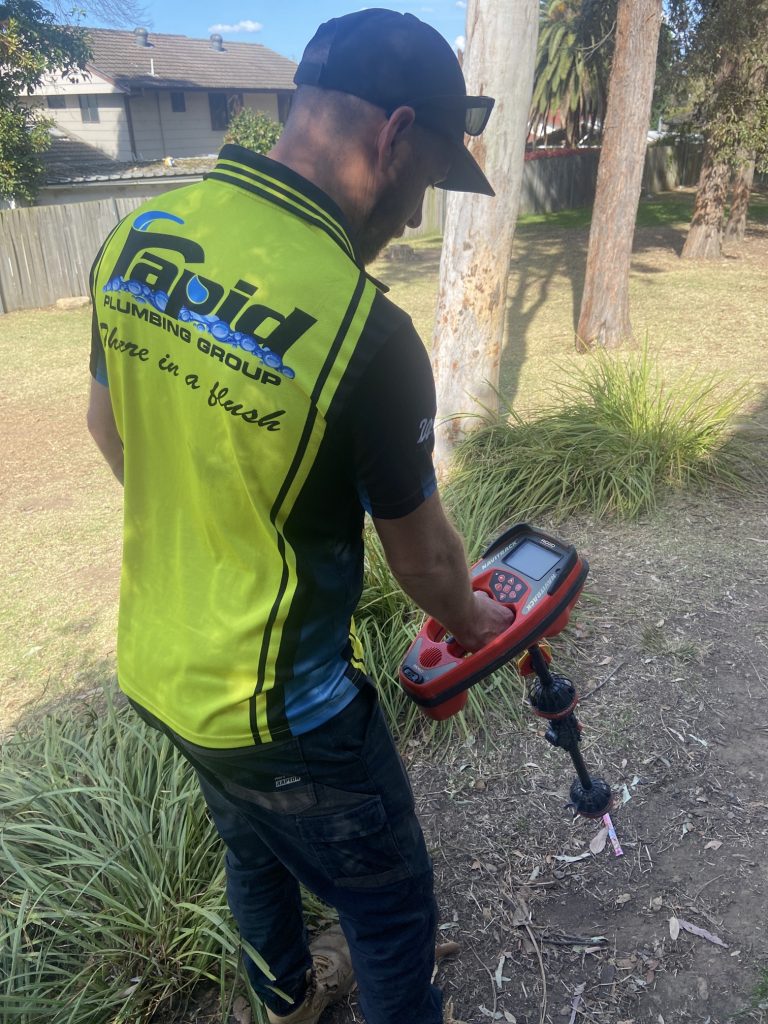
- Acoustic leak detection to locate hidden water movement
- Pressure testing to confirm a leak in the supply line
- Thermal checks to spot temperature changes caused by moisture
- CCTV drain inspections if the issue involves drains, sewer, or recurring blockages
- Water jetting to clear blockages that may be causing pressure problems
- Tree root removal if roots are damaging pipes and causing breaks/leaks
This matters because you don’t want “trial-and-error repairs.” You want the leak found and fixed properly.
Common hidden leak causes in homes
Age and daily wear
Seals degrade, valves fail, and joints loosen over time. Toilets and taps are frequent culprits.
Pressure and sudden surges
High pressure can strain fittings. That includes flexi hoses, tap cartridges, and hot water valves.
Temperature expansion (hot vs cold lines)
Hot water lines expand and contract more. Over time, that movement can stress joints and fittings.
Blocked drains, backpressure, and pipe damage
Blocked drains can contribute indirectly by stressing parts of your plumbing. That’s why we often pair leak investigations with drain/sewer cleaning and camera inspections when symptoms overlap.
Tree roots and ground movement
Roots can crack underground pipes and cause gradual leaks that show up as soggy lawn or meter movement.
When a hidden leak is an emergency
Call urgently if:
- water is spreading fast
- ceiling is sagging
- you can hear loud running water with everything off
- leak is near electrical points
- you suspect a gas leak (smell of gas, hissing near an appliance)
We provide 24/7 emergency plumbing for situations where delay can cause major damage or safety risk.
Leak prevention tips that actually work
Monthly checks that prevent big bills
- Look under sinks for dampness
- Listen for toilet refills at night
- Check around the hot water system
- Watch for damp smells in cabinets and bathrooms
Replace high-risk parts before they fail
Flexi hoses and ageing toilet valves are cheap compared to flood damage.
Keep drains healthy
Recurring blockages can signal bigger issues. Our CCTV drain inspections help find cracks, root intrusion, or pipe collapses early.
Consider water filtration solutions (when appropriate)
Water filtration can improve taste and reduce sediment that may affect fixtures and valves. While it won’t “stop leaks,” it supports overall plumbing health—especially in homes that notice sediment build-up.
Local SEO guide: Penrith areas we commonly help
Hidden leaks don’t care if you’re in a newer estate or an older home—what matters is the condition of fittings, valves, and pipes.
If you’re searching for residential plumbing in Penrith, our services are designed to cover the full leak journey:
- detect it accurately
- repair it properly
- test and confirm it’s resolved
And if the leak is tied to drainage issues or pipe damage, we can handle that too through water jetting, camera inspections, and tree root removal.
FAQs: Hidden Water Leak Signs
How long can a hidden leak go unnoticed?
Some leaks go unnoticed for weeks or months—until the bill spikes or visible damage appears.
What’s the most common hidden leak in a home?
Running toilets and under-sink flexi hose leaks are among the most common.
Can a leak happen without any visible water damage?
Yes. Many leaks run into wall cavities, subfloors, or soil, leaving no puddles.
Do I need leak detection if I already see damp patches?
Yes—because damp patches don’t always show the exact leak location. Detection helps fix the real source.
How can Local Penrith Plumber help you?
If you’ve noticed hidden water leak signs—like a rising water bill, damp smells, bubbling paint, toilet refills, or a moving water meter—don’t wait for the damage to spread.
Local Penrith Plumber offers complete solutions for residential plumbing in Penrith, including:
- Leak detection (water, shower, pool, and gas)
- General plumbing repairs and installations (taps, toilets, showers, inspections and testing)
- Blocked drain clearing and repairs (water jetting, drain/sewer cleaning, CCTV camera inspections, tree root removal)
- Hot water system supply, installation, servicing, and repairs (gas, electric, instant, heat pumps, solar, and commercial hot water)
- Gas fitting and gas plumbing (installations, appliance installs, repairs, gas leak detection)
- Water filtration solutions
- 24/7 emergency plumbing when it can’t wait
If your meter test suggests a leak—or you simply want peace of mind—call us now.
Call Local Penrith Plumber: 243125618