Burst Pipe in a Penrith Home: Emergency Steps Before the Plumber Arrives
A burst pipe is one of those problems that feels small for the first 10 seconds… then suddenly you’re watching water spread across the floor faster than you can grab towels. In a Penrith home, this can mean soaked carpets, swollen timber floors, damaged gyprock, ruined cabinetry, and in the worst cases, water getting close to power points and appliances.
The good news is: you don’t need to “know plumbing” to reduce the damage. You just need to follow the right emergency steps in the right order. This guide is written in simple, 8th-grade-friendly language and is designed to help locals searching for residential plumbing in Penrith take smart action while waiting for a plumber.
Local Penrith Plumber provides residential, commercial, and industrial plumbing, including 24/7 emergency plumbing, general plumbing repairs and installations, blocked drain solutions (water jetting, CCTV camera inspections, tree root removal), hot water system repairs and replacements, gas fitting, leak detection (water, shower, pool, gas), and water filtration.
What Counts as a “Burst Pipe”?
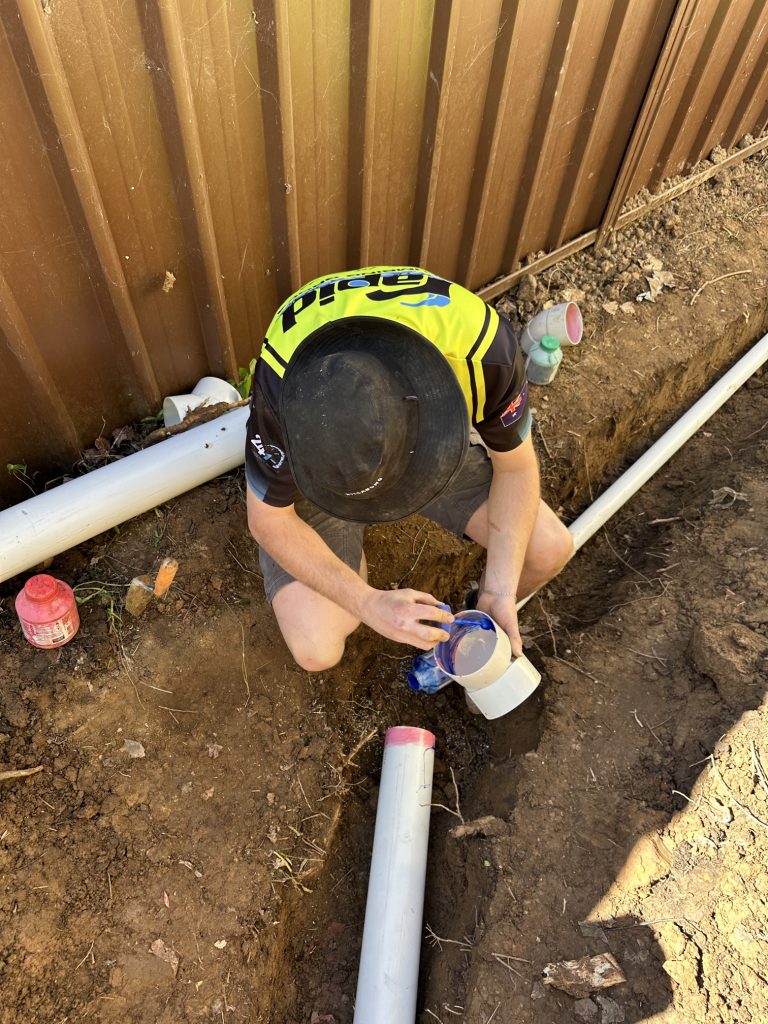
A “burst pipe” doesn’t always mean a pipe exploded like in the movies. Most of the time, it’s a pipe or fitting that fails and lets water escape fast enough to cause flooding or serious damage.
A burst pipe can look like:
- A pipe split under the house or inside a wall
- A cracked outdoor copper/PVC line spraying water
- A failed flexi hose under the kitchen sink or vanity
- A toilet inlet hose letting go and flooding the bathroom
- A pipe joint that breaks and starts pouring water
- A hot water pipe that fails and releases hot water or steam
Sometimes you won’t see the pipe at all. You’ll notice signs like water pooling, wet carpet, a dripping ceiling, or a “rain sound” inside a wall.
How Local Penrith Plumber helps: If the source isn’t obvious, we can use leak detection methods and targeted inspection to locate the issue safely—especially when water is travelling behind walls, under tiles, or through ceiling cavities.
Why Burst Pipes Happen in Penrith Homes
Burst pipes often happen because of pressure, age, wear, or hidden damage. Here are common reasons Penrith households experience pipe failures:
1) Ageing pipes and worn fittings
Older pipes can become thinner, weaker, and more likely to crack—especially around joints. Even if the pipe itself is fine, fittings like valves, connectors, and hoses can fail.
Service tie-in: We handle general plumbing repairs and installations—replacing worn taps, connectors, toilet components, shower fittings, and pipework before they turn into emergencies.
2) High water pressure
High pressure can damage plumbing slowly over time, then suddenly a weak point fails. You might notice banging pipes, noisy taps, or frequent leaks.
Service tie-in: During a burst pipe repair, we can also do inspections and testing to identify pressure-related issues contributing to failures.
3) Tree roots and underground pipe stress
In many suburbs, tree roots can push into underground lines or disturb pipe positioning. This doesn’t only affect drains—it can sometimes impact water lines too, depending on layout and age.
Service tie-in: If we suspect underground plumbing problems, we can use camera inspections and provide the right repair approach without guesswork.
4) Flexi hose failures (common under sinks and toilets)
Flexi hoses are handy, but they’re also one of the most common causes of indoor flooding. When they fail, it can be sudden and messy.
Service tie-in: We replace failing hoses and fittings as part of residential plumbing in Penrith, especially during inspections or after an emergency callout.
5) Hot water system faults
Sometimes the “burst pipe” is actually connected to a hot water system issue—like a valve problem, pressure build-up, or a failing connection.
Service tie-in: We repair and replace gas, electric, instant, heat pump, solar, and commercial hot water systems, and we can diagnose whether the burst is coming from the system or the pipework feeding it.
First Priority: Stay Safe
Before you do anything else, check the situation for hazards. Water and electricity are a dangerous mix, and hot water can cause burns.
If water is near electricity
- Don’t step into pooled water if it’s near power points, appliances, extension cords, or the switchboard.
- If you can safely reach the switchboard without stepping in water, turn off power to the affected area.
- If you’re not sure, step back and wait for professional help.
If the leak is hot water or steam
- Keep people away—especially children and pets.
- Avoid touching wet pipes or fittings. Hot water burns fast.
Service tie-in: Our 24/7 emergency plumbing service is built for situations where safety is a concern. If you suspect electrical risk, tell us on the phone so we can guide you through the safest steps until we arrive.
Emergency Step 1: Turn Off the Water (Do This Immediately)
The goal is simple: stop the water source. The faster you do it, the less damage your home will take.
Option A: Turn off the main water supply
In most Penrith homes, the main shut-off valve is:
- Near the front boundary close to the water meter, or
- On the side of the house, sometimes near the laundry
Turn the valve clockwise until it stops. If it’s stiff, use steady pressure—don’t force it suddenly.
Tip: After closing the main, open a tap. If water slows and stops, you’ve done it right.
Option B: Turn off an isolation valve
If the burst is under a sink, behind a toilet, or connected to a washing machine line, there’s often a small valve nearby. This stops water to that single fixture.
Service tie-in: When we fix burst pipes, we don’t just patch the leak—we check nearby valves, hoses, taps, and connectors so you don’t have a second leak a week later.
Emergency Step 2: Relieve Pressure and Drain Remaining Water
Even after turning off the mains, water can still drip because the pipes still hold water. Relieving pressure helps slow down the leak and prevents surprise spraying.
Do this:
- Open the lowest cold tap in the home (laundry or outside tap is common)
- Open a couple more taps briefly
- Flush the toilet once (only if safe)
- Leave the lowest tap open until water slows to a trickle
This helps drain water from the pipework.
Service tie-in: If you notice pressure issues (banging pipes, loud taps, weak flow), tell us. We can include inspections and testing as part of our repair approach to reduce repeat bursts.
Emergency Step 3: If It’s a Hot Water Pipe, Switch Off the Hot Water System
If the burst involves hot water lines or the hot water unit, shutting it down helps prevent further damage and pressure build-up.
For electric hot water systems
- Switch off the hot water circuit at the switchboard (if safe and dry)
For gas hot water systems
- Turn off the gas supply valve to the unit
- If you smell gas, don’t use switches or flames—call immediately and keep the area ventilated.
Service tie-in: Our team handles hot water system servicing and repairs and also provides gas fitting and gas leak detection—important if the burst pipe is near gas appliances, hot water units, or you suspect a gas-related issue.
Emergency Step 4: Contain the Water and Protect Your Home
Once water flow is controlled, your job becomes damage control.
Move valuables first
- Unplug electronics only if the floor is dry and safe
- Lift rugs and move furniture away from water
- Put plastic under furniture legs to reduce staining and swelling
Catch and redirect water
- Use buckets, bowls, and towels to control drips
- If water is coming from the ceiling, put a bucket underneath and move items away
- Don’t poke holes in ceilings unless instructed—water can spread unpredictably
Drying matters
- Open windows and doors for airflow
- Use fans only if it’s safe electrically
- Remove wet towels quickly so moisture doesn’t linger
Service tie-in: After we repair the burst, we can advise whether you may also have drainage issues contributing to slow water escape—especially if flooding started near bathrooms, laundries, or outdoor grates. We handle blocked drain clearing and repairs, including water jetting and CCTV drain inspections if needed.
Emergency Step 5: Find the Source (Only If It’s Safe)
If you can safely identify the source, it helps us bring the right parts and fix it faster.
Check these common locations:
Kitchen and bathroom under-sink areas
- Flexi hoses to mixers
- Dishwasher lines
- Water filter connections (if installed)
Toilets
- Inlet hose
- Shut-off valve
- Cistern connections
Laundry
- Washing machine hoses
- Laundry tub taps
- Wall-mounted valves
Outdoors
- Garden taps
- Exposed pipes
- Irrigation connections
Hidden in walls or ceilings
- Water stains
- Damp patches
- Paint bubbling
- Dripping sounds
Service tie-in: When the leak is hidden, we can use leak detection to locate the source properly and avoid unnecessary wall damage. If we suspect sewer or stormwater involvement, we can also use camera inspections and clear blockages using drain cleaning and water jetting.
Emergency Step 6: Take Photos and Notes for Faster Repairs
You don’t need a long report—just simple details that help us act quickly.
Take photos of:
- The leak or spray
- The damaged area
- Any fittings or hoses involved
- The shut-off valve you used (main or isolation)
Write down:
- When it started
- Whether the water was hot or cold
- Any odd signs before it happened (low pressure, banging pipes, slow drains)
- Which rooms are affected
Service tie-in: These details help us decide if this is a simple pipe repair, a fixture/valve replacement, a pressure issue, or part of a bigger plumbing problem requiring deeper inspection.
What NOT to Do During a Burst Pipe Emergency
These mistakes can make things worse:
Don’t keep turning the water on and off “to test it”
Each test can re-flood the area and cause more damage.
Don’t use electrical appliances near wet areas
Avoid vacuums, extension cords, chargers, or power tools.
Don’t rely on tape as the “fix”
Tape and clamps might reduce spraying short-term, but they often fail again—sometimes suddenly.
Don’t ignore drain issues
If water is pooling because a drain is blocked, you may have two problems: a leak AND a drainage issue.
Service tie-in: We fix burst pipe causes and related issues, including blocked drains, tree root removal, and CCTV drain inspections, so the problem doesn’t keep repeating.
After the Water Is Off: What to Expect From Your Plumber
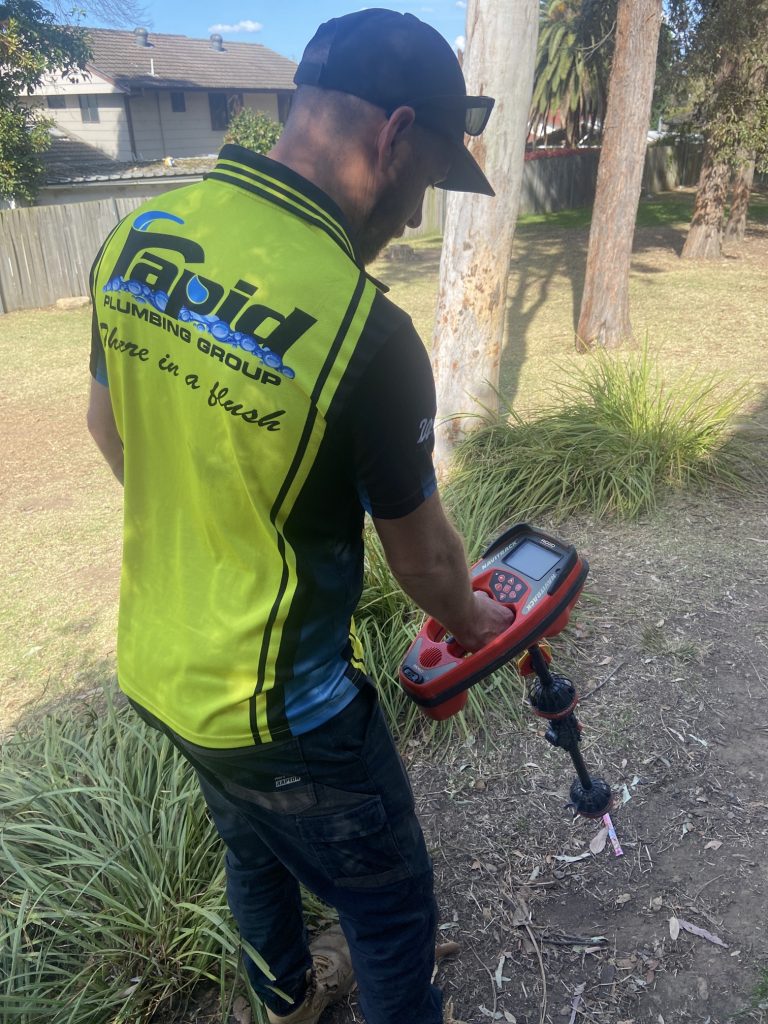
When Local Penrith Plumber arrives, the job isn’t just “stop the leak.” It’s to make the plumbing safe and reliable again.
Depending on the cause, we may:
- Replace damaged pipe sections and fittings
- Repair or replace failed flexi hoses under sinks or toilets
- Test for pressure problems and advise on next steps
- Perform leak detection if the source is hidden
- Inspect drains and sewer lines if overflow contributed to flooding
- Use CCTV camera inspections to confirm the condition of pipes
- Clear blocked drains using water jetting and professional drain cleaning
- Check hot water system valves, lines, and connections
Because we offer residential, commercial, and industrial plumbing, we’re equipped to handle anything from a small kitchen burst to larger pipework failures that impact multiple areas.
Signs You Might Have a Hidden Burst Pipe (Even Without Flooding)
Sometimes the “burst” starts inside a wall or under the floor and you only see the results later.
Watch for:
- Sudden drop in water pressure
- Damp patches on carpet that keep returning
- Water stains on ceilings or cornices
- Bubbling paint or swollen skirting boards
- Musty smells
- Higher water bills
- Dripping sounds inside walls
- Warm damp spots (possible hot water leak)
Service tie-in: Our leak detection services cover water, shower, pool, and gas leaks—helpful when the leak isn’t obvious and you need answers quickly.
How to Reduce the Chance of Another Burst Pipe
Once the emergency is fixed, prevention saves money and stress.
1) Book a plumbing inspection
We can spot weak hoses, ageing fittings, slow leaks, and corrosion before they fail.
2) Replace flexi hoses before they burst
Many people don’t realise these parts wear out. Replacing them early is much cheaper than flood repairs.
3) Keep drains healthy
Blocked drains can cause overflow and extra water stress around bathrooms, laundries, and outdoor areas.
Service tie-in: We provide blocked drain clearing, drain/sewer cleaning, water jetting, and tree root removal, plus CCTV checks when needed.
4) Maintain your hot water system
Hot water systems can contribute to pipe stress if valves or pressure controls are failing.
Service tie-in: We supply, install, service, and repair gas, electric, instant, heat pump, solar, and commercial hot water systems, and we can check safety valves and pipe connections.
5) Consider water filtration and water quality
While filtration doesn’t directly stop bursts, cleaner water can help reduce build-up and improve overall plumbing performance in some systems.
Service tie-in: We install water filtration solutions for households wanting better-tasting, cleaner water.
FAQs About Burst Pipes in Penrith Homes
What’s the first thing I should do if a pipe bursts?
Turn off the main water supply immediately, then open taps to relieve pressure and contain the water.
Can a burst pipe damage my hot water system?
Yes. If the burst involves hot water lines or the unit, turning off the system helps prevent pressure damage and overheating.
Is a burst flexi hose an emergency?
Yes. Flexi hoses can release a lot of water fast and cause serious indoor flooding.
Do I still need a plumber if the leak stops after shutting off the water?
Yes. A burst or failed fitting must be repaired properly before water is turned back on safely.
How Can Local Penrith Plumber Help You?
If you’ve got a burst pipe in your Penrith home, quick action matters—but so does getting the right repair so it doesn’t happen again. Local Penrith Plumber provides fast, reliable support for emergencies and long-term fixes, backed by full-service plumbing.
We can help with:
- 24/7 emergency plumbing for burst pipes, flooding, and urgent leaks
- General plumbing repairs and installations (taps, toilets, showers, inspections and testing)
- Leak detection for water, shower, pool, and gas leaks
- Blocked drain clearing and repairs, including water jetting, drain/sewer cleaning, CCTV camera inspections, and tree root removal
- Hot water system supply, installation, servicing, and repairs (gas, electric, instant, heat pumps, solar, and commercial hot water)
- Gas fitting and gas plumbing, including appliance installs, repairs, and gas leak detection
- Water filtration solutions for cleaner, better water at home